

Why modern factories are now among the most targeted critical infrastructures—and how companies can defend themselves.
Hackers have shifted their focus from banks and retail to factories. Why? Because manufacturing is now deeply automated, network-connected, and dependent on uptime — meaning a single breach can shut down an entire production line.
Key reasons factories are targeted:
- Increased reliance on IoT sensors and robotics
- Legacy systems that were never designed for cybersecurity
- Remote access tools that create easy entry points
- High financial pressure to avoid downtime
- Rising geopolitical cyber activity
Old PLCs, CNC machines, and robotic controllers were built decades ago with no encryption and no authentication.
Today, they’re plugged into modern networks, creating open doors for attackers.
Common risks include:
- Unpatchable vulnerabilities
- Default passwords
- No logging or monitoring
- Unsupported operating systems (Windows XP/7)
Callout Box:
”If it runs the factory but can’t be updated, it’s a risk.”
Ransomware gangs now specialize in operations shutdowns because they know factories will pay quickly.
Ransomware in factories causes:
- Frozen HMIs
- Locked engineering workstations
- Halted PLC communications
- Production downtime costing millions per hour
Statistic Highlight:
Manufacturing is now the #1 most attacked sector globally according to multiple 2024/2025 cybersecurity reports.

Manufacturers rely on remote engineers to maintain:
- PLC logic
- Robots
- Packaging lines
- SCADA dashboards
But remote access is the #1 intrusion vector in industrial cyber attacks.
Weak remote access leads to:
- Stolen or shared credentials
- Open VPN tunnels
- Exposed RDP ports
- Third-party tool compromise
”In OT, third-party access is always a risk multiplier.”
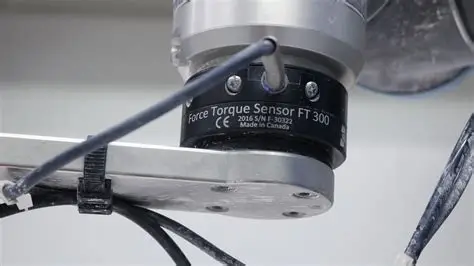
IoT sensors monitor temperature, vibration, pressure, speed, and more.
But many have zero built-in security, making them easy entry points:
- No encryption
- Hard-coded passwords
- Insecure wireless communication
- Outdated firmware
Impact:
Compromised sensors → altered data → unsafe operational decisions.
Once hackers get into the IT network, they move sideways until they reach:
- SCADA servers
- PLCs
- Engineering workstations
- Manufacturing execution systems (MES)
Because most factories don’t use segmentation, attackers move freely.
IoT365 is designed specifically for industrial cybersecurity.
Capabilities include:
✔️ Real-time OT asset visibility
Automatically detects every PLC, sensor, workstation, and connected device.
✔️ Network segmentation & Zero Trust
Blocks lateral movement and isolates critical machines.
✔️ Behavior-based threat detection
Identifies PLC changes, abnormal commands, and unauthorized access.
✔️ Secure remote access
Strong identity control + session recording.
✔️ Continuous monitoring of legacy systems
Protects old equipment without downtime or patching.
“Protect your factory before attackers find a weakness.
Schedule a free OT security assessment with IoT365.”
Manufacturing plants operate complex systems that were never built with cybersecurity in mind. As automation increases, so do the risks.
The companies that stay ahead will be those who secure:
- Every machine
- Every sensor
- Every connection
Industrial cybersecurity is not optional — it’s now a core requirement for safe, reliable production.