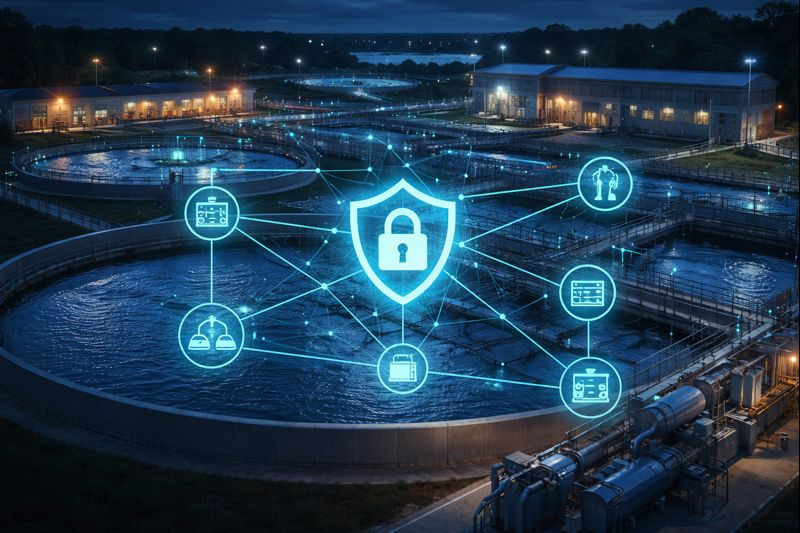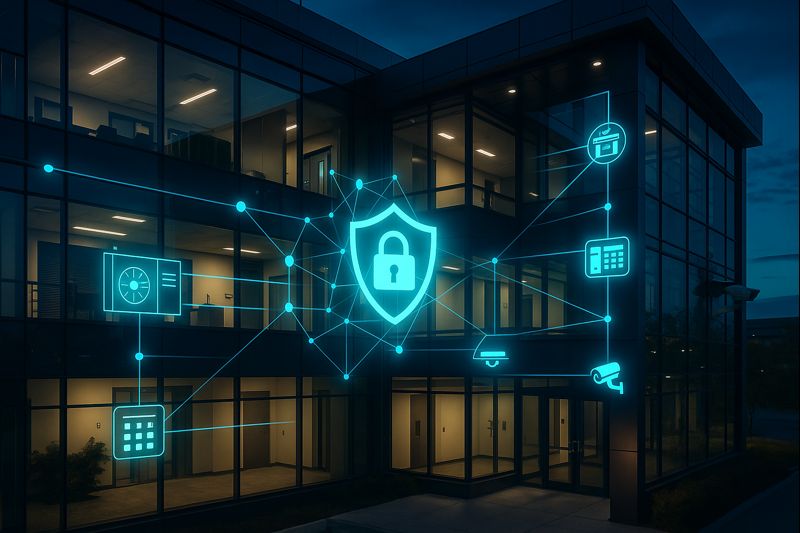


The Rising Cyber Risks Behind Smart Cities: Why OT & IoT Security Matters Now
Smart cities rely on many connected systems, such as traffic signals, sensors, utilities, cameras, and public networks. As connectivity grows, cyber risks grow too.
Smart Cities Are Growing Faster Than Their Cybersecurity
To begin with, smart cities use digital tools to improve daily life. They depend on traffic systems, utilities, sensors, cameras, and public Wi-Fi to keep services running.
However, many of these systems were not built with security in mind. As a result, attackers see smart cities as easy and high-impact targets.
In addition, city networks are often complex and difficult to manage. Therefore, small gaps in security can create big problems over time.
Why attackers focus on smart cities:
- For example, they can cause major disruptions to traffic and utilities.
- Additionally, cities use a large number of IoT devices.
- Moreover, old OT systems are mixed with new technology.
- Furthermore, networks are often not separated well between IT and OT.
- Finally, successful attacks get public and media attention.
Threat #1: Traffic and Transportation Systems
First, smart traffic lights, digital road signs, and public transit systems all use connected devices. These systems help reduce congestion and improve safety.
However, many of these devices lack encryption and secure update processes. Additionally, they may use default passwords or outdated software.
For example, attackers may try to access controllers that manage traffic signals or bus routes. Consequently, they can change how systems behave in real time.
Biggest risks include:
- Attackers changing traffic light timing.
- Compromised transit control systems.
- Hacked digital roadway or message signs.
- Delays to emergency vehicles if priority signals fail.
As a result, even a single attack on traffic systems can cause large delays, confusion, and safety concerns across a city.
Threat #2: Power Grids and Utility Infrastructure
Secondly, cities rely on digital systems to manage electricity, water, and gas. These systems keep homes, hospitals, and businesses running.
However, many utility systems still run on old OT platforms. In addition, some use unsecured SCADA systems or remote tools with weak access controls.
Common vulnerabilities include:
- For instance, unsecured or exposed SCADA interfaces.
- Remote access that vendors can reach without strong security.
- Weak authentication for sensors and controllers.
- Outdated firmware and software that are not patched regularly.
Therefore, a successful cyber attack on power or water systems can quickly affect residents, businesses, and critical services.
Moreover, recovery from such attacks can take days or even weeks. Consequently, the cost to the city and its people can be very high.
Threat #3: Surveillance and Public Safety Systems
Thirdly, cities deploy thousands of cameras, license plate readers, alarms, and public safety radios. These tools support police, fire, and emergency services.
Unfortunately, many of these devices use default passwords or unencrypted connections. Furthermore, they may be reachable from the internet if not configured correctly.
Key risks include:
- Compromised surveillance cameras that expose sensitive areas.
- Unauthorized access to law enforcement systems.
- Fake or disabled emergency sirens and public alerts.
- Hijacked radio or voice channels used by responders.
For example, an attacker who gains control of cameras or alarms can disrupt both real-time response and public trust.
In addition, stolen video or audio feeds can be used for spying or social engineering. Consequently, public safety teams may find it harder to do their jobs.
Threat #4: IoT Environmental and Utility Sensors
Fourthly, smart cities use sensors to track air quality, noise levels, water usage, flooding, and waste. These devices are often placed outdoors or in hard-to-reach areas.
In many cases, these sensors stay in service for years without security updates. Additionally, they may use weak passwords or old firmware with known flaws.
Typical vulnerabilities include:
- No encryption for data sent from the sensor.
- Default or simple passwords that are easy to guess.
- Outdated firmware that is rarely updated.
- Easy physical access that allows tampering.
Consequently, a compromised sensor can create false alerts, hide a real problem, or feed bad data into city dashboards and reports.
Moreover, small data errors can add up over time. As a result, city leaders may make decisions based on inaccurate information.
Threat #5: Vendor and Contractor Access
Fifthly, cities work with many vendors, contractors, and service providers. These partners help maintain networks, devices, and field equipment.
However, vendors often need remote access into city systems. In addition, some vendor accounts are shared, reused, or not monitored closely.
Key risks include:
- Shared vendor logins that many people use.
- Weak or missing multi-factor authentication.
- VPN access that reaches multiple critical networks.
- No clear record of what vendors do while connected.
Therefore, poor vendor access control has become one of the most common causes of smart city breaches.
On the other hand, cities that manage vendor access carefully can reduce this risk. For example, they can use strong identity checks and limit what each account can reach.
How iOT365 Helps Protect Smart City Infrastructure
In response to these risks, iOT365 gives cities a clear view of their connected systems and helps secure OT and IoT infrastructure.
Our platform provides:
- Real-time device discovery – finds every IoT sensor, controller, camera, and OT device.
- Zero Trust segmentation – separates networks and limits how far attackers can move.
- Threat and anomaly detection – spots unusual commands, traffic changes, and rogue devices.
- Secure vendor access – applies identity-based controls and shows who did what and when.
- IoT password and firmware checks – flags weak credentials and outdated devices.
- Continuous monitoring – protects both new and legacy systems without stopping operations.
Protect your smart city infrastructure before attackers find a weakness.
Request a free OT & IoT security assessment with IoT365.
Learn More from Trusted Sources
Additionally, you can review these trusted resources for more guidance on protecting smart city systems:
- CISA Cyber Threat Advisories: https://www.cisa.gov/topics/cyber-threats-and-advisories
- NIST Smart Cities Framework: https://www.nist.gov/topics/smart-cities
- DHS Smart Cities Security: https://www.dhs.gov/science-and-technology/smart-cities
Final Thoughts
In conclusion, smart cities offer better services and a higher quality of life. However, without strong security, the same systems can be misused by attackers.
Ultimately, cities that invest in OT and IoT protection will be safer, more resilient, and better prepared for future threats.