
Healthcare Cybersecurity: OT and IoT Risks in Hospitals
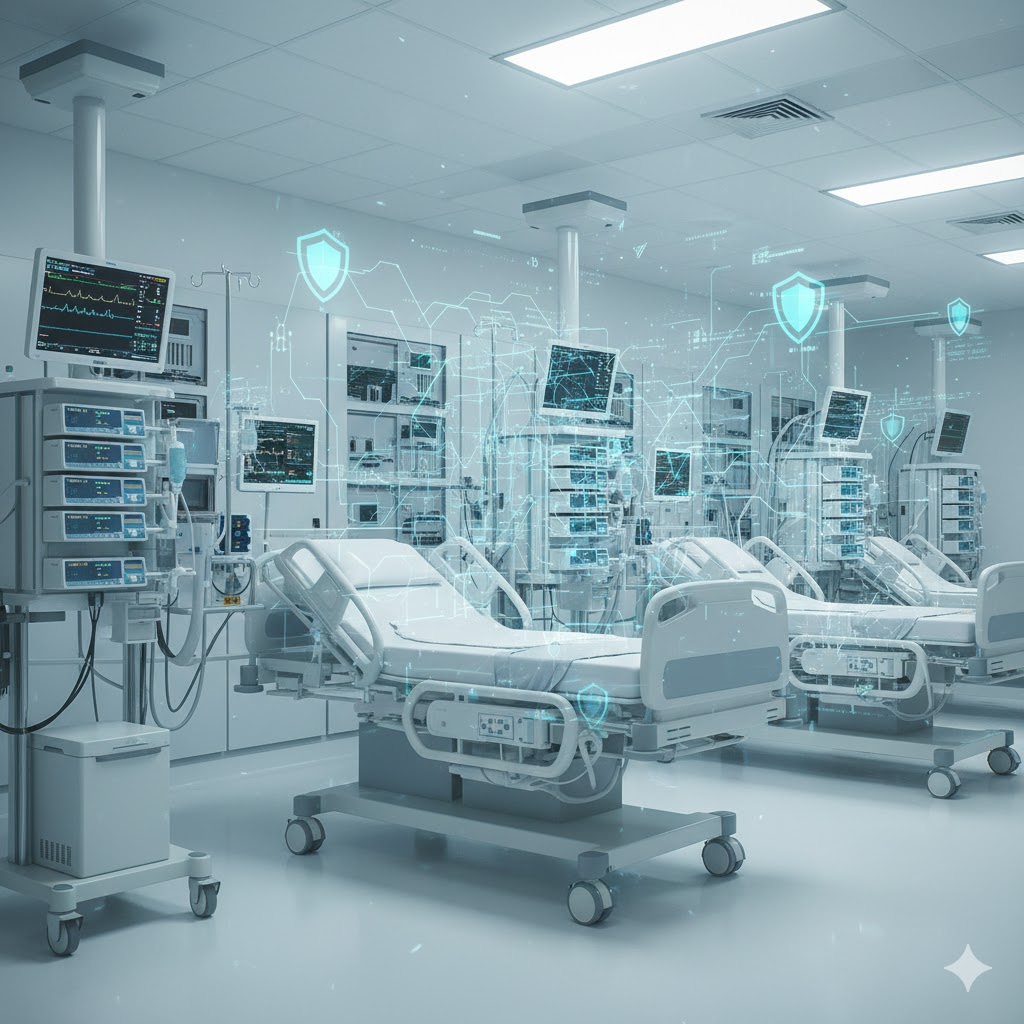
Hospitals rely on thousands of OT and IoT devices to support patient care. These include medical equipment, building systems, and digital tools. However, as these devices become more connected, cyber risks increase. As a result, attackers now see hospitals as major targets.
Why Hospitals Face Growing Cyber Threats
To begin with, hospitals use old and new technology together. Some devices run outdated software. Others use simple passwords or weak security settings. However, these systems still support critical patient care.
Additionally, healthcare staff often cannot see every device on the network. Therefore, even one weak device can expose sensitive information.
For example, attackers may target ventilators, imaging devices, or patient monitors. Moreover, legacy OT systems control HVAC, lighting, and life safety equipment. Finally, cyber incidents can delay care and put patients at risk.
Threat #1: Vulnerable Medical Devices
First, many medical devices were not designed for modern cybersecurity needs. These include infusion pumps, imaging machines, and patient monitoring systems. However, they still connect to hospital networks.
Additionally, some devices cannot be patched quickly. For example, service agreements may limit updates.
Common risks include:
- Default or weak passwords
- Outdated firmware with known issues
- Unencrypted communication between devices
- Shared vendor access accounts
As a result, attackers can use medical devices as an easy entry point.
Threat #2: Building Systems and Facility Controls
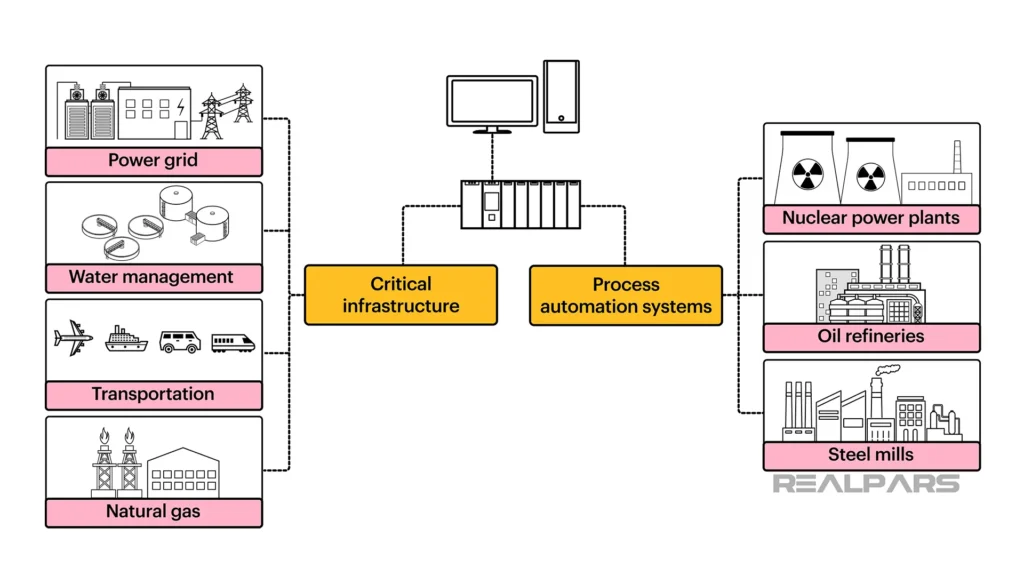
Secondly, hospitals depend on OT systems to run HVAC, elevators, lighting, and emergency power. These systems support patient comfort and safety. However, many use old protocols that lack security.
In addition, attackers may try to control building systems during a cyberattack.
Key weaknesses include:
- Outdated building automation systems (BAS)
- No network segmentation from clinical systems
- Remote access with weak authentication
- Poor visibility into OT device behavior
Consequently, disruptions can impact critical areas such as operating rooms and intensive care units.
Threat #3: IoT Devices Across the Hospital
Thirdly, hospitals use many IoT devices, such as security cameras, badge readers, sensors, and mobile carts. These devices make operations faster and more efficient. However, many have limited security features.
For example, cameras may use default passwords. Additionally, some sensors transmit data without encryption.
Typical risks include:
- Weak or missing authentication
- Easy physical access to devices
- Outdated software
- No monitoring for abnormal behavior
Therefore, IoT devices can become a pathway for larger attacks.
Threat #4: Ransomware and Data Breaches
Fourthly, ransomware is one of the biggest threats to healthcare. These attacks can shut down systems, block patient data, and stop operations. However, hospitals often rely on slow or incomplete backups.
Additionally, attackers may target both IT and OT networks.
As a result, care teams may need to switch to manual processes, causing delays.
How IoT365 Helps Protect Healthcare Systems
In response to these risks, IoT365 helps hospitals secure their OT and IoT environments. The platform provides real-time visibility, monitoring, and segmentation.
IoT365 offers:
- Real-time device discovery for medical, IoT, and OT equipment.
- Zero Trust segmentation to block lateral movement.
- Firmware and password checks for device health.
- Anomaly detection for unusual behavior.
- Secure vendor access with full identity tracking.
Learn More from Trusted Healthcare Security Sources
These official resources offer deeper guidance:
- CISA Healthcare & Public Health: https://www.cisa.gov/healthcare
- U.S. Department of Health & Human Services (HHS): https://www.hhs.gov/hipaa
- NIST Healthcare Cybersecurity Guidance: https://www.nist.gov/healthcare
Final Thoughts
In conclusion, hospitals must secure both OT and IoT devices to protect patients and operations. However, many systems still use old or weak technology.
Ultimately, strong cybersecurity helps ensure safe, uninterrupted patient care.